
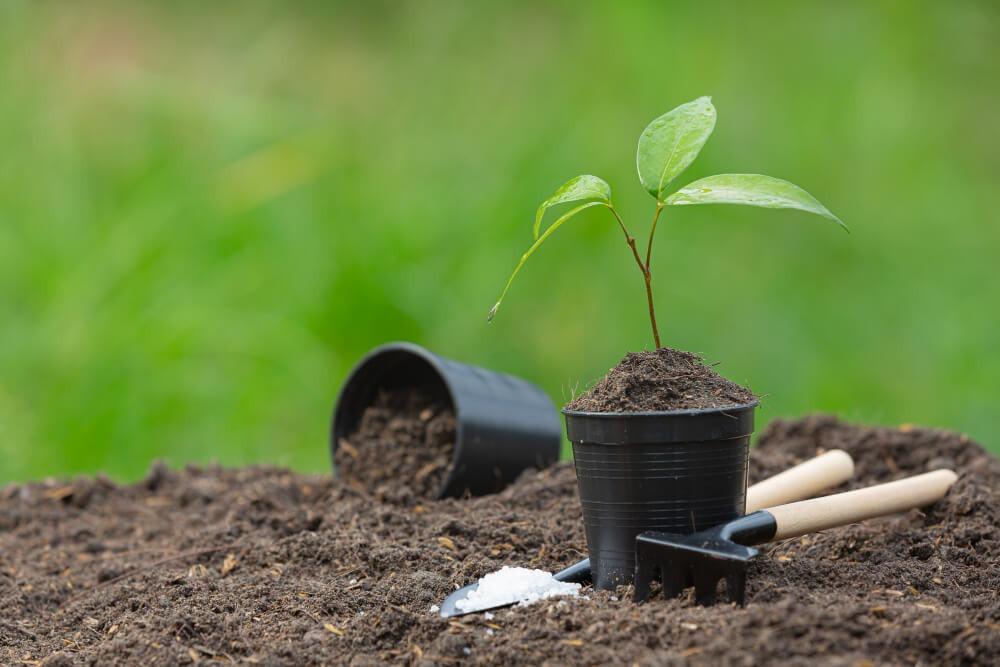
Using the best fertilizer to accelerate tree growth is the real difference between a weak, stunted tree and a strong, thriving one. In this comprehensive guide, we'll take you on a journey of expert insights to discover the secrets of smart fertilization that will transform your trees into verdant masterpieces. Whether you're in Saudi Arabia or any other Gulf country, and whether your trees are fruit-bearing, ornamental, or shade trees, we'll help.
What elements should the best fertilizer for trees contain?
Trees need specific nutrients to grow quickly and healthily. The essential elements in the best fertilizer for accelerating tree growth are:
Nitrogen (N): The engine of vegetative growth
Nitrogen is primarily responsible for leaf and branch growth. If you notice your tree's leaves are yellow or small, it is suffering from a nitrogen deficiency. Nitrogen-rich fertilizer gives trees a tremendous boost in both vertical and horizontal growth.
Phosphorus (P): For root and flower growth
Phosphorus is essential for developing strong roots that penetrate deep into the soil, and it increases the tree's ability to flower and bear fruit. Without phosphorus, your tree will remain shallow and weak.
Potassium (K): Immune booster
Potassium is like the tree's immune system. It strengthens it against diseases, drought, and extreme heat, which is crucial in the hot Gulf climate.
Trace elements (magnesium, iron, zinc, copper)
These elements may be required in small quantities, but their absence completely disrupts tree growth. The best fertilizer for accelerating growth is one that contains chelated forms of these elements for easy absorption.
The best fertilizer to accelerate tree growth
Here are some types of fertilizers that accelerate tree growth:
- Chemical fertilizer: Fast-acting (days to two weeks), precise nutrient ratio, easy to apply. May burn roots if misused; short-term effect.
- Organic fertilizer: Improves soil structure, long-lasting, environmentally safe and slow absorption, may not meet the needs of rapid growth on its own.
- Compound fertilizer (NPK + organic) is the best solution: it combines the speed of chemical fertilizers with the benefits of organic fertilizers. However, it is slightly more expensive.
You might be interested in: The best fertilizer for trees in the summer
How to choose the right fertilizer for your tree type
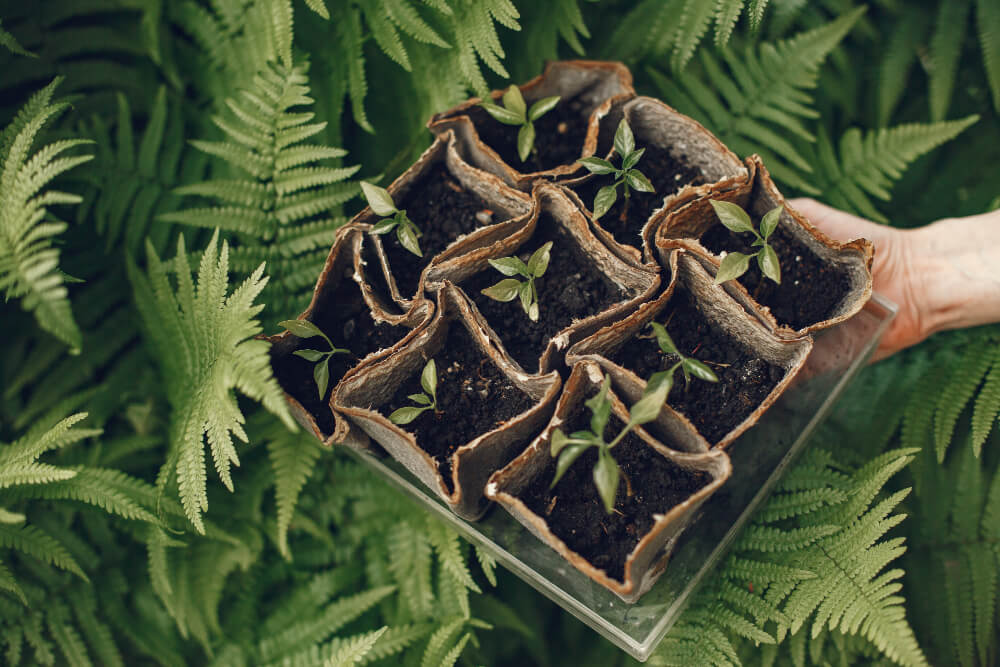
Choosing the best fertilizer to accelerate tree growth depends on the type of tree. Here's a quick guide to using growth-accelerating fertilizer:
Fruit trees (mango, lemon, orange, apple, palm)
- Post-planting stage up to 3 years: NPK fertilizer 20-20-20 to build a strong structure.
- Flowering and fruiting stage: Fertilizer at a ratio of 10-20-20 or 15-15-15 fertilizer with a higher concentration of phosphorus and potassium.
- Best product from Al Talib Store: Multi-soluble tree fertilizer (NPK 20-20-20 + micronutrients).
Ornamental trees (Bougainvillea, Ficus, Acacia)
It needs high nitrogen for flowering and increased leaf density. Use a 30-10-10 fertilizer or a liquid nitrogen-rich fertilizer every two weeks in spring and summer.
Shade trees (fig, cypress, eucalyptus)
Your goal is vertical growth. A slow-release fertilizer with an NPK ratio of 18-6-12 is ideal. Apply it once every 4 months.
Trees adapted to hot and dry climates (olive, arak, jujube)
You need high potassium to combat heat stress. Choose a 12-12-17 fertilizer or add potassium sulfate separately.
When and how should you apply fertilizer to trees correctly?
Here's the ideal time to add the best fertilizer to accelerate tree growth:
- Spring (early March to May): This is the golden season. Trees emerge from dormancy and are eager to grow. Begin fertilizing as soon as the first new leaves appear.
- Summer (June to August): Continue fertilizing but at 30% lower doses, as the intense heat can increase the risk of root burn. The best time of day is just after sunset.
- Autumn (September to November): Gradually reduce fertilization, focusing on potassium to strengthen the trees before winter.
- Winter (December to February): Do not fertilize at all except for evergreen trees in very warm areas such as Jeddah and Riyadh, with a very light dose once.
The correct way to apply
- For granular fertilizers: Spread them around the root zone, starting 30 cm from the tree trunk and extending to a distance equal to the width of the shade. Never place the fertilizer too close to the trunk.
- For liquid and soluble fertilizers: Dissolve them in water according to the package instructions, and pour slowly over the root zone. It is preferable to water immediately before and after fertilizing.
- Deep injection technique (for large trees): Use a soil injection tool to deliver liquid fertilizer directly to the deep root zone.
You may be interested in: The best fertilizer for palm trees
Common tree fertilization mistakes to avoid now
Here are common mistakes in tree fertilization that you should avoid now:
Over-fertilization
The belief that more fertilizer means more growth is the biggest lie in agriculture. Over-fertilizing causes root burn, yellowing leaves, and general weakness. The solution is to immediately wash the soil with plenty of water.
Fertilizing diseased or wilted trees
When a tree is diseased or suffering from drought, its roots are unable to absorb fertilizer. Address the underlying problem (irrigation, disease, pests) first, then begin fertilizing.
Fertilizing completely dry soil
Applying fertilizer to dry soil will immediately burn the roots. Water the tree one day before and one day after fertilizing.
Using the wrong fertilizer for the stage
Fertilizing a young fruit tree with a high-phosphorus fertilizer used for flowering deprives it of the necessary vegetative growth in its early years.
Neglecting to calibrate the soil pH level
Even the best fertilizer for accelerating tree growth won't be effective if your soil is too alkaline. Maintain a pH between 6 and 7 using agricultural sulfur or diluted vinegar.
Al-Talib Store for the best fertilizer to accelerate tree growth
Al-Talib Store is your trusted source for the best fertilizer to accelerate tree growth for the following reasons:
- 100% genuine products: We import fertilizers from the largest certified international companies, and we offer you products free from adulterants and harmful substances.
- Formulas tailored to the Saudi climate: In collaboration with Saudi agricultural experts, we developed a special fertilizer that is resistant to heat, drought, and sandy soil.
- Fast delivery to all cities in Saudi Arabia: within 24 hours for Riyadh, Jeddah, Dammam, Mecca, Medina, and less than 72 hours for the rest of the regions.
Conclusion
Finding the best fertilizer to accelerate tree growth is a well-defined science and a structured process that begins with understanding your soil and tree needs and ends with selecting the right product and applying it correctly and at the right time. Whether you prefer slow-release organic fertilizers, fast-acting chemical fertilizers, or balanced compound fertilizers, don't let your trees remain small and weak while your neighbors and friends enjoy lush gardens, ample shade, and delicious fruit. Take the first step now and contact Al-Talib Store.
Frequently asked questions about the best fertilizer for accelerating tree growth
How often should I fertilize my trees per year?
It depends on the type of fertilizer. Slow-release fertilizers: 2-3 times a year, while fast-release fertilizers are applied once every 2-4 weeks during the growing season (spring and summer).
Can I mix organic fertilizer with chemical fertilizer?
Yes, this is the best strategy. Apply organic fertilizer as a base layer (it improves the soil) and chemical fertilizer as a quick fix on top of it.
What are the signs of nitrogen deficiency in trees?
The lower leaves turn yellow first, overall growth is weak and the leaves are small, in addition to early leaf drop.
Can household food scraps be used as direct fertilizer for trees?
Never. Fresh food scraps attract insects and cause root rot. They must be fermented and composted first.